Softening & Conditioning
Salt-based softeners, scale prevention, and hard water solutions.
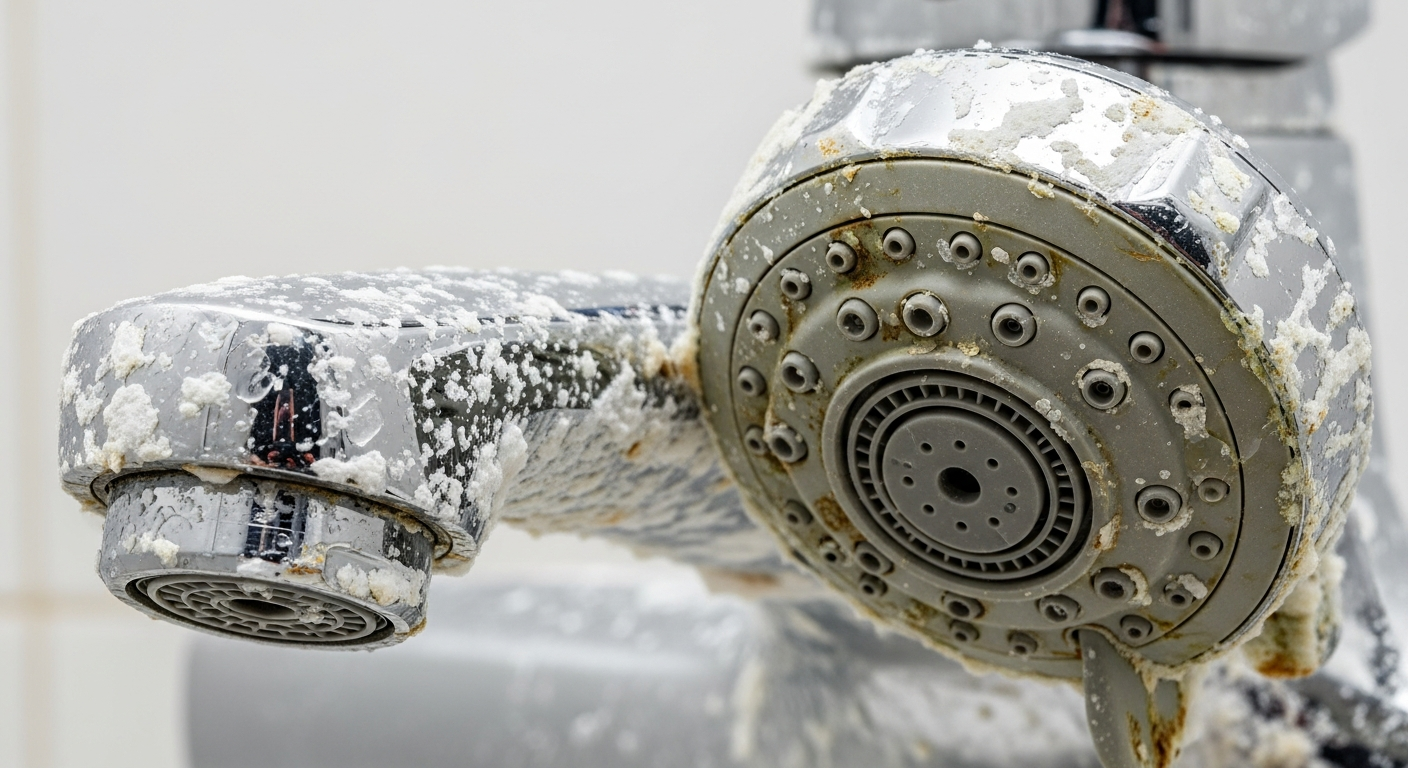
Hard water affects 85% of US homes — causing scale buildup, appliance damage, and wasted energy.
How Water Softening Works
Understanding the ion exchange process helps you choose the right system for your home.
Watch: Ion Exchange Explained (3 min)
Types of Water Softening Systems
From traditional salt-based softeners to modern electronic descalers — find the solution that matches your water quality and lifestyle.
Salt-Based Softeners
The traditional gold standard. Uses ion exchange to remove calcium and magnesium, replacing them with sodium. Produces genuinely soft water that extends appliance life and improves soap efficiency.
Pros
- Removes hardness minerals completely
- Extends water heater life 30%+
- Improves soap lathering
Cons
- Requires salt refills
- Adds sodium to water
- Wastewater during regeneration

Salt-Free Conditioners
Uses TAC (Template Assisted Crystallization) to change mineral structure without removing them. Prevents scale buildup while keeping beneficial minerals in your water.
Pros
- No salt or chemicals needed
- Zero wastewater
- Retains healthy minerals
Cons
- Doesn't truly soften water
- Less effective above 25 GPG
- No soap efficiency improvement

Electronic Descalers
Magnetic or electronic devices that claim to alter mineral behavior using electromagnetic fields. No plumbing changes required - simply wraps around existing pipes.
Pros
- Easy DIY installation
- No maintenance
- Lowest cost option
Cons
- Limited scientific evidence
- Effectiveness varies
- No mineral removal

Combo Systems
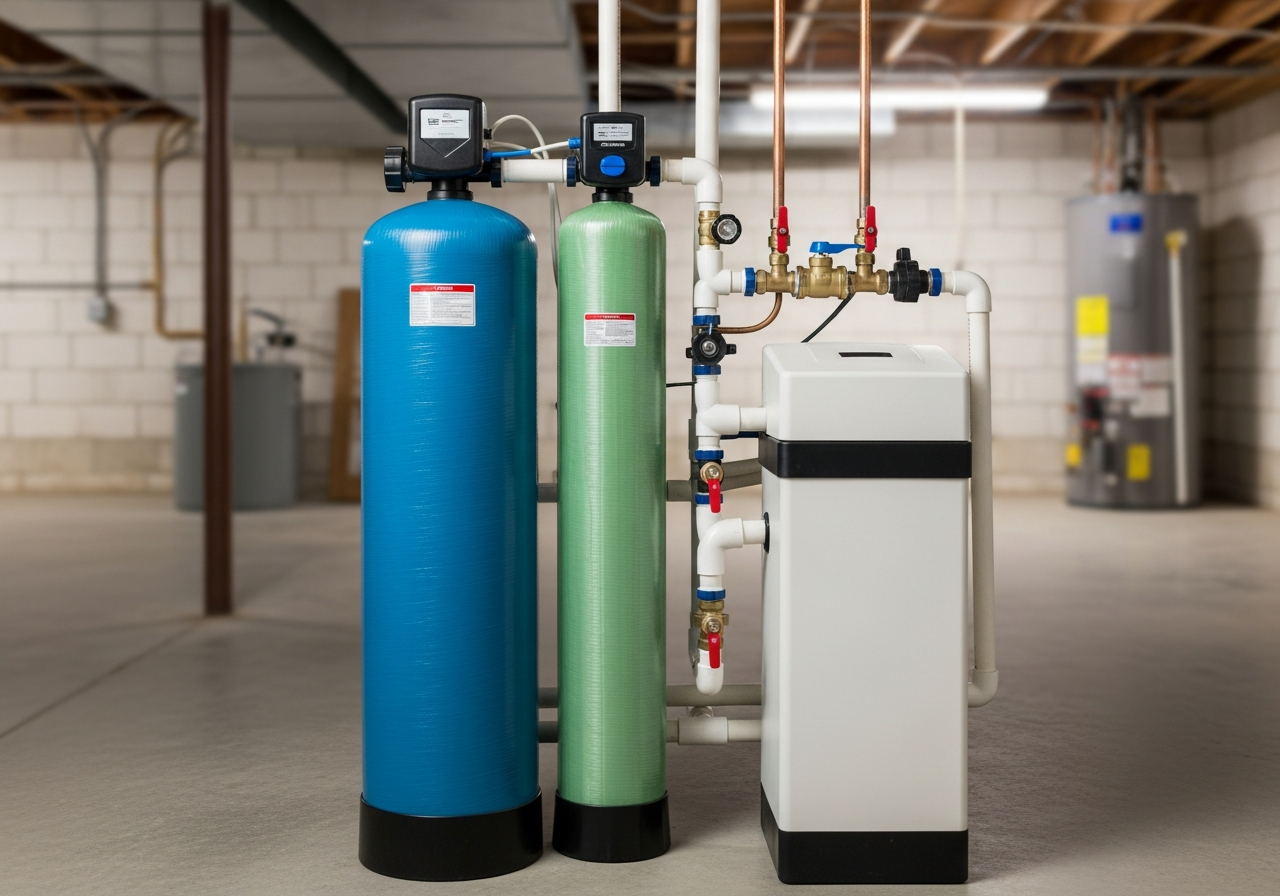
Integrated systems that combine softening with whole-house filtration. Addresses both hardness and contaminants in one unit with a single installation.
Pros
- All-in-one solution
- Space efficient
- Single maintenance schedule
Cons
- Higher upfront cost
- Complex installation
- May be overkill for some homes
Hard Water Across the US
Most regions have moderately hard to very hard water. Check your area on the map below.
Soft
0-3 GPG
Moderate
3-7 GPG
Hard
7-14 GPG
Very Hard
14+ GPG
Hardest regions: Texas, Arizona, New Mexico, Kansas, and the Midwest
Softest regions: Pacific Northwest, New England, and parts of the Southeast
Quick Facts About Water Softening
Water hardness is measured in GPG (grains per gallon) - anything above 7 GPG is considered hard
Hard water causes 30% more wear on clothing and linens during washing
Scale buildup reduces water heater efficiency by up to 25% over time
Salt-based softeners use about 40-50 lbs of salt per month for a family of four
The average water softener regenerates 2-3 times per week, using 35-65 gallons of water
Common Questions
Salt-based vs salt-free: Which should I choose?
If you want truly soft water with improved soap lathering and spot-free dishes, go salt-based. If you just want to prevent scale buildup and prefer zero maintenance, salt-free conditioning is a good choice. Salt-free systems don't work well above 25 GPG hardness.
How much salt does a water softener use?
A family of four typically uses 40-50 pounds of salt per month. High-efficiency systems use less. You'll need to refill the brine tank every 4-6 weeks depending on water usage and hardness level.
Is softened water safe to drink?
Yes, but it contains added sodium (about 20-30mg per 8oz glass for moderately hard water). Those on sodium-restricted diets may want to use unsoftened water for drinking or install a reverse osmosis system at the kitchen sink.
Do electronic descalers really work?
Scientific evidence is limited and results vary. They may provide some scale prevention benefits but don't actually remove hardness minerals. For reliable results, salt-based or TAC-based systems are recommended.
Latest Guides & Reviews
Detailed reviews for this section are being finalized by our engineering team.
The Ultimate Guide to Softening & Conditioning
Read our comprehensive 5,000-word deep dive into everything you need to know about softening & conditioning, from basic principles to advanced selection criteria.
Read the Guide